How to use these articles when planning a project
The articles on this page cover excavation and grading in general terms. This section turns that into practical steps you can take before you call, so the estimate is based on what your property actually needs.
Know the order of site work
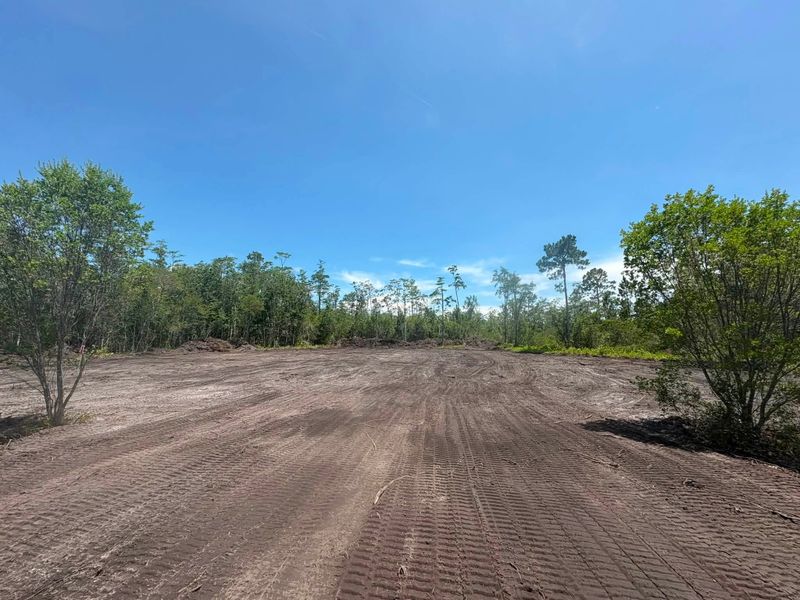
Most ground projects follow a predictable sequence. Clearing removes trees, brush and debris. Rough grading shapes the land and sets how water will move. Excavation digs footings, pool shells, trenches or utility runs. Fine grading prepares the surface. Concrete, retaining walls or sod come last. Skipping or rushing an early step can lead to settling, cracking or drainage problems later.
Questions worth answering for yourself first
- What will the finished area be used for: a house, a shop, a driveway, a pool, a yard?
- Where does water go today when it rains hard, and where do you want it to go?
- Which trees, fences, beds or structures must not be disturbed?
- Do you have a survey, plat, site plan or engineered drawing?
- Is there a deadline tied to a builder, closing date or inspection?
- How will equipment reach the work area?
Reading a site work estimate
A clear estimate should describe the area being worked, what is being removed or hauled away, what is staying on site, and what condition the ground will be in when the crew leaves. If something is excluded, such as permit fees, rock, unmarked private lines or final landscaping, it should say so. Ask about anything that is unclear before work starts, not after.
Soil and weather affect timing. Wet ground can delay grading and concrete. A good plan allows for that rather than promising a date that ignores the weather.
Terms you will see in these articles
- Rough grading: shaping the land to approximate elevations and drainage direction, usually with larger equipment.
- Fine grading: the final shaping of the surface so it is smooth and sloped correctly before sod, gravel or concrete.
- Compaction: pressing soil so it is dense enough to support a slab, driveway or footing without settling.
- Fill dirt: soil brought in to raise low areas. Topsoil is the richer layer used where grass or plants will grow.
- Erosion control: measures such as silt fence, straw or quick ground cover that keep exposed soil from washing away.
- Site preparation: everything that gets a lot ready for construction, often clearing, grading and pad work together.
When to call instead of reading
If you see water against a foundation, active erosion, a slope that is moving or a driveway breaking up, it is usually better to have the property looked at than to keep researching. Call (678) 939-3310 or request a free estimate and describe what you are seeing.
Keeping notes as the project moves
Keep a simple record of the project: the estimate, any changes you agree to, photos before work starts and photos after each phase. Notes like these make it easier to talk about the finished grade, answer questions from a builder or inspector, and remember what was done if you sell the property later.
Common questions
- Do these articles replace an on-site evaluation?
- No. They explain common methods and terms. Every parcel has its own soil, slope, access and drainage conditions.
- Which service page should I read next?
- Read the page that matches your first step: clearing for overgrown land, grading for drainage and leveling, or demolition if something must come out first.
- How current is this information?
- The articles describe general practice. Local rules and site conditions change, so confirm permits and requirements for your parcel before work starts.
Get a free estimateCall (678) 939-3310
 KWS Excavation& Grading Services
 Yard holding water?