
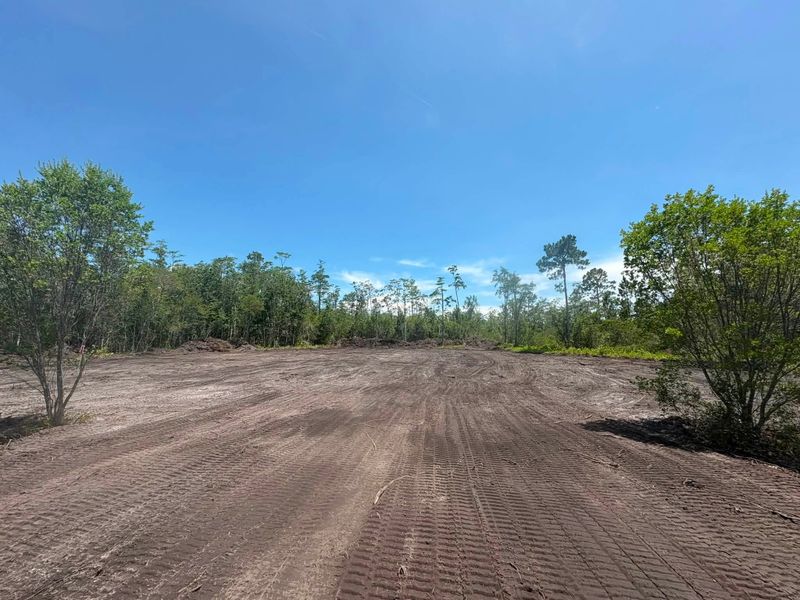
When tackling overgrown vegetation or preparing land for new projects, a professional mulching service can offer numerous benefits. This eco-friendly approach efficiently clears brush, trees, and debris while preserving the soil and surrounding ecosystem. Unlike traditional clearing methods, which may involve heavy machinery or burning, mulching leaves nutrient-rich organic material on-site, aiding in soil health and promoting natural growth.
Additionally, using a specialized service ensures that the job is completed quickly and safely. Skilled operators navigate challenging terrains with ease, minimizing damage to valuable trees and plants you wish to keep. Furthermore, reducing fire hazards by managing undergrowth is crucial in many areas prone to wildfires.
Investing in a mulching service promotes proper land management while saving time and effort compared to manual clearing options. Whether for agricultural needs or residential landscapes, this method provides a comprehensive solution tailored to promote healthy growth for years to come.
Planning Your Forestry Mulching Project
Forestry mulching cuts and grinds vegetation in place, leaving a layer of mulch on the ground instead of piles to burn or haul away. It works well for some properties and is not the right fit for others. Here is how to decide and plan.
Where forestry mulching fits
- Overgrown wooded areas and understory you want opened up
- Trails, fence lines and access paths
- Thinning brush while keeping selected trees
- Reducing heavy undergrowth around open land
- Clearing areas where you do not want the soil stripped
Where another approach may be better
If you need a clean building pad, stumps removed below grade, or bare soil for grading, mulching alone may not be enough. In that case lot clearing or land clearing and site preparation is often the better fit. Mulch can also be thicker than some people expect, so tell us how you plan to use the area afterward.
Preparing the area
- Flag trees and plants you want kept
- Mark property lines, pins and fences
- Point out wells, septic systems, buried lines and old debris
- Tell us about wet areas, ditches or creeks
- Remove personal items from the work area
Access, slope and wet ground
Mulching equipment needs a way in and firm enough ground to work. Wet soil and steep banks can limit where it can go. Areas near water or wetlands may have rules about clearing, so ask your county or the appropriate agency if you are unsure.
Safety
Mulching throws chips and debris. Keep people, pets and vehicles well away while equipment is running, and tell us about neighbors, structures or roads close to the work area.
What affects the estimate
- Acreage or area size
- Density of growth and stem size
- How selective the clearing is
- Access, slope and ground conditions
- Whether any follow-up grading or stump work is requested
A hypothetical example
Imagine a few acres of pines with dense understory, where the owner wants walking trails and a view of the back of the property but wants to keep the larger trees. Forestry mulching could thin the undergrowth, open trail paths and leave the mulch on the ground. If the same owner later wanted a home site, the building pad would likely still need stump removal and grading. This example is only meant to show how the services differ.
What the area looks like afterward
Expect a layer of shredded wood across the worked area, with low stubs where stems were cut. Over time the mulch settles and breaks down. Some regrowth from roots and seeds is normal, and many owners plan periodic maintenance. If you want lawn or a planted area, tell us; that usually means extra work such as removing mulch, grading or soil preparation.
Questions to think about
How do you want to use the land in the next few years? Are there trees with personal or property value to protect? Is any of the area near water, a road or a neighbor's home? Do you need the work done before a sale, survey or other deadline? These help us recommend mulching or a different approach.
Ready to Get Started?
Get a free, honest estimate for your forestry mulching project from KWS Excavation & Grading Services — locally owned and based in Brunswick, GA.
Recent Forestry Mulching Projects


Forestry Mulching Questions We Hear
- What happens to the mulch?
- It stays on the ground as a layer of chips. It helps hold soil and breaks down over time.
- Does forestry mulching remove stumps?
- It typically grinds stems near the ground. If you need stumps removed below grade, tell us so we can discuss other options.
- Can I keep certain trees?
- Yes. Flag the ones you want kept and we will work around them.
- Can you mulch in wet areas?
- It depends on conditions and any rules for that area. We may suggest waiting for drier weather.
- What should I tell you when requesting a quote?
- Approximate size of the area, what is growing there, which trees stay, how you plan to use it, and photos of access and the densest areas.
- How often does mulched land need maintenance?
- That depends on what grows back and how you use the land. Some owners schedule follow-up work every few years. We can talk about what to expect for your property.
Related Services and Service Area
Projects often combine more than one type of work. Related services: Brush removal, Lot clearing, Land clearing and site preparation, Grading and leveling.
We are based in Brunswick and work across the Golden Isles and nearby communities, including Brunswick, GA, Darien, GA, Jekyll Island, GA, Kingsland, GA, St Marys, GA and Woodbine, GA. See all areas we serve, or request a free estimate for your property.
Other Services We Offer
See more of our work in our project showcases or check out everywhere we serve across the Golden Isles.