
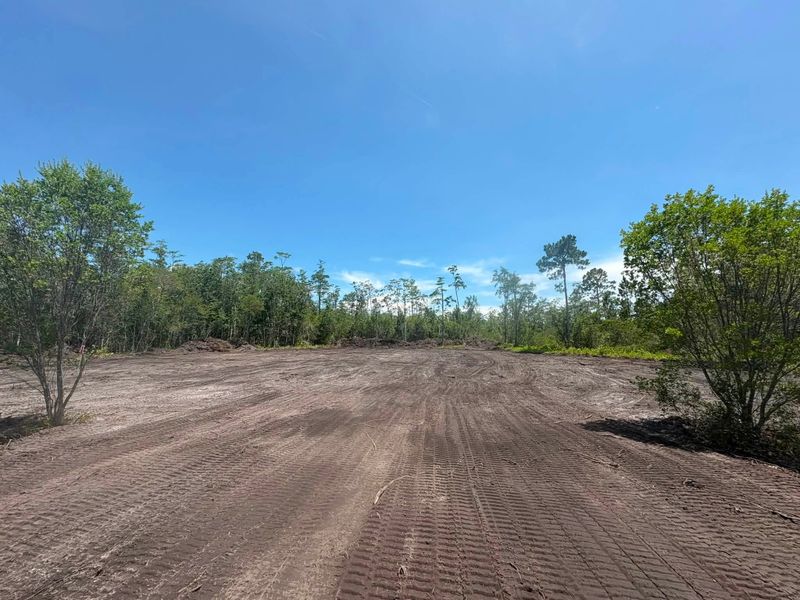
When managing your property, maintaining a neat and safe environment is essential. Brush removal service is a proactive solution to keep overgrown vegetation in check, preventing potential hazards like fire risks and pest infestations. By clearing away dense brush, you not only enhance the aesthetic appeal of your landscape but also improve visibility on your property.
Additionally, removing unwanted brush creates space for future landscaping projects or construction plans. It allows for better access to the land and promotes healthier growth of desirable plants by reducing competition for nutrients.
Hiring professionals ensures the job is done safely and efficiently, with the right equipment to handle various types of vegetation. Whether you are preparing a new build site or simply looking to maintain your yard, opting for brush removal contributes to a cleaner property while also safeguarding against environmental issues that can arise from neglecting overgrowth. Consider this service as an investment in both safety and aesthetics.
Planning Your Brush Removal Project
Brush removal is the lighter end of site clearing: thick undergrowth, vines, saplings, palmetto and overgrown fence lines that make a yard or parcel hard to use, see through or walk. This section explains what is usually in scope, how to get the property ready, and what we need to know to give you a useful estimate.
What brush removal usually covers
Every property is different, so scope is settled at the walkthrough. On a typical request, the work focuses on vegetation that can be cut, pushed or mulched without disturbing the ground much more than necessary.
- Overgrown undergrowth, vines and briars along yards, fence lines and wood edges
- Small saplings and volunteer growth that has taken over an open area
- Clearing a usable path or access lane into the back of a lot
- Opening sight lines near a driveway entrance, shed or outbuilding
- Cleaning up the edge of an area before grading, sod or a new structure
Brush removal versus lot clearing and forestry mulching
If the job is mostly low growth and small stems, brush removal is often the right fit. When mature trees, stumps or a full building pad are involved, the work starts to look like lot clearing or land clearing and site preparation. If you want the cut material ground up and left on site as a mulch layer, forestry mulching may be the better approach. Tell us what you want the area to look like afterward and we will recommend the approach that fits, rather than the biggest one.
How to prepare before we arrive
- Mark or flag any plants, trees or landscaping you want to keep
- Point out septic tanks, drain fields, irrigation heads, wells and buried lines you know about
- Move vehicles, trailers, toys, hoses and loose items out of the work area
- Tell us about fences, property pins or a neighbor's line near the edge
- Let us know about pets and when gates should stay closed
Access, ground conditions and drainage
Coastal Georgia soil can be soft after rain, and low spots can hold water for days. Gate width, overhead lines and how wet the ground is all affect what equipment can reach the area and when. If a section stays wet, we may suggest waiting for drier conditions so the yard is not rutted. Clearing brush can also show where water actually runs on the property; if you see standing water or washouts once the area is open, our grading and drainage services can be discussed separately.
Safety on site
Overgrown areas can hide holes, old debris, wire, glass or wasp nests. Please keep children and pets away from the work area while equipment is running, and tell us about anything you suspect is buried in the brush. If we find something unexpected, we will stop and talk with you before continuing.
What affects the estimate
- Size of the area and how dense the growth is
- Stem size, and whether any trees or stumps are part of the request
- What happens to the material: hauled off, piled, or mulched in place
- Access for equipment and how close the work is to structures or fences
- Ground conditions, slope and how wet the area is
Ready to Get Started?
Get a free, honest estimate for your brush removal project from KWS Excavation & Grading Services — locally owned and based in Brunswick, GA.
Recent Brush Removal Projects


Brush Removal Questions We Hear
- Do I need to be home during brush removal?
- Not always. It helps to walk the area with us before work starts so we agree on boundaries and what stays. After that, many customers just need to make sure gates are open and pets are inside.
- Will brush removal take out stumps too?
- Not automatically. Stumps and larger trees change the scope, so tell us if you want them handled. We will explain whether that falls under lot clearing or another service and include it in the estimate.
- Can you leave certain trees or plants?
- Yes. Flag or point out anything you want kept, and we will work around it. Selective clearing takes more care, so it can affect time and price.
- Will the yard be torn up afterward?
- Brush removal is meant to disturb the ground as little as practical, but equipment can leave marks, especially on wet soil. We will talk through ground conditions and timing at the estimate.
- What should I send with my quote request?
- Your address, a short description of the area and what you want it to look like afterward, and a few photos if you have them. Photos of the access gate and the densest section are especially helpful.
Related Services and Service Area
Projects often combine more than one type of work. Related services: Lot clearing, Forestry mulching, Land clearing and site preparation, Grading and leveling.
We are based in Brunswick and work across the Golden Isles and nearby communities, including Brunswick, GA, Darien, GA, Jekyll Island, GA, Kingsland, GA, St Marys, GA and Woodbine, GA. See all areas we serve, or request a free estimate for your property.
Other Services We Offer
See more of our work in our project showcases or check out everywhere we serve across the Golden Isles.